The best way to get around Mallorca depends on what you want to do. Renting a car gives you full freedom to reach remote coves, mountain villages and the north coast on your own schedule. Public transport (buses and trains) works well for routes between main towns and is genuinely cheap and reliable. For the coastline and hidden beaches with no road access, a boat is the only practical answer. Most visitors end up combining two of these depending on the day.
Mallorca is larger than many people expect: roughly 100 km from east to west and 80 km from north to south. Getting from Palma to Alcúdia takes about 50 minutes by car; from Palma to Cala Ratjada, closer to 70. That scale matters when you’re planning day trips. If your itinerary covers multiple areas of the island, a car is almost always the right call. If you’re based in Palma or a well-connected resort and planning day trips to nearby beaches and towns, public transport can cover most of it.
Below is a breakdown of each option, with honest notes on where each one works and where it falls short.
Renting a car: the most flexible option
A rental car is the default choice for good reason. It gives you access to the whole island, including the Serra de Tramuntana mountain roads, the northeast coast, and the smaller inland villages that no bus reaches. Roads in Mallorca are well-maintained and signposted, though some coastal routes (particularly around Formentor and the northwest) are narrow and can be slow in summer.
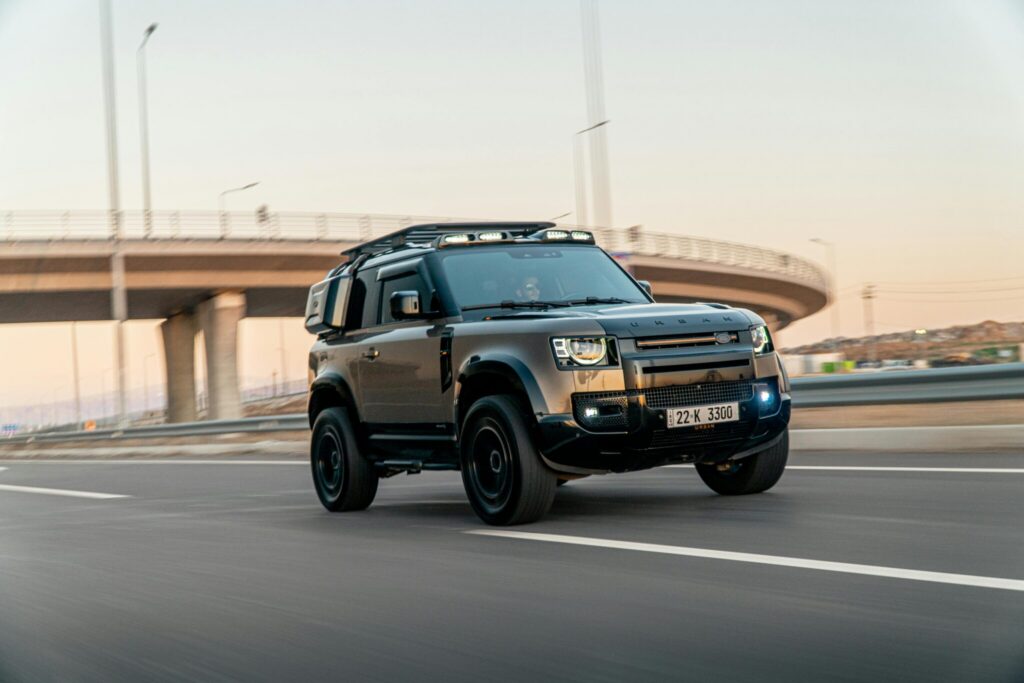
Parking in Palma city centre is expensive and frustrating in peak season; for city-only stays, leaving the car at the hotel makes more sense. For everything outside the city, a car is hard to beat. Book in advance for July and August, when availability tightens and prices go up significantly. For groups or travellers looking for something beyond a standard rental, Naizur’s luxury car collection in Mallorca includes Mercedes SUVs, Range Rovers and Land Rover Defenders from 200€/day, which suits both longer itineraries and clients who want the driving experience to match the destination.
Public transport: buses and trains
Mallorca has a surprisingly good public transport network for an island of its size. There are two separate systems worth knowing:
TIB (Transports de les Illes Balears) operates the intercity bus network, with routes connecting Palma to most tourist towns and beach areas. The main lines cover Alcúdia (line 351/352, roughly every 30 minutes in summer), Sóller, Manacor, Cala Millor, Porto Cristo and Pollença, among others. Fares are low, typically between 2€ and 7€ depending on distance, and buses are modern and air-conditioned.
SFM (Serveis Ferroviaris de Mallorca) runs three train lines. The most useful for visitors is the Palma-Sóller route, a historic narrow-gauge railway through the Tramuntana mountains that counts as a tourist attraction in itself. The Palma-Inca line connects several inland towns and has good frequency. A third line extends to Sa Pobla and Manacor.
EMT Palma handles city buses within Palma. The A1 airport bus runs to Passeig Mallorca every 15 minutes between 6am and 2am and costs around 5€, making it the cheapest airport transfer by far.
The limitation of public transport is coverage: the east coast, many of the best coves in the southeast, and most of the rural interior are not reachable without a car. If your plan involves beaches like Cala Agulla, Cala Mondragó or Es Trenc, you’ll need wheels or a boat.
Taxis and ride-hailing
Taxis in Mallorca are metered and straightforward to use from the airport, Palma and major resorts. For occasional transfers they’re fine; for daily use across the island they add up fast. Uber operates in Mallorca but with limited coverage outside Palma. For airport pickups or transfers between two fixed points, pre-booked private transfers are often the cleaner option, especially with luggage.
Scooters and bicycles
Mallorca is one of the best cycling destinations in Europe, and many visitors come specifically for that. The island has a well-developed network of cycling routes, and the roads through the Tramuntana (particularly the MA-10 from Andratx to Pollença) attract serious road cyclists year-round. E-bikes are widely available for rental in Palma and most resorts, which makes the flat coastal sections and town-to-town routes accessible for casual riders.
Scooters are a practical option for getting around a single resort area or exploring quieter roads, but they’re not suited for the motorways or the mountain passes, where traffic moves fast and roads are narrow. In Palma, both bikes and e-scooters can be rented by the hour through several apps.
By boat: the option most visitors overlook
A significant number of Mallorca’s best beaches have no road access, or have roads that end in a dirt track with no parking. Cala Tuent, Cala Varques, several coves along the east coast near Artà, and much of the northwest coastline fall into this category. The practical way to reach them is by sea.
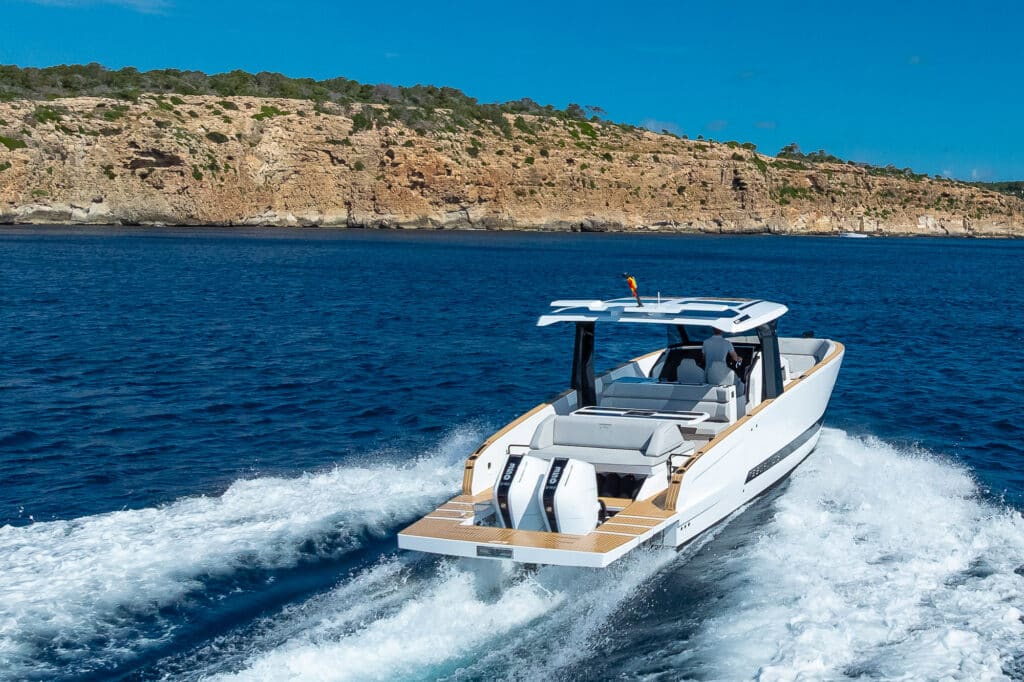
Day charter boats depart from Palma, Puerto Portals, Alcúdia, Porto Cristo and several other ports. For a group, chartering a private yacht for the day works out at a reasonable per-person cost and removes every logistical problem: no parking, no narrow roads, direct access to the anchorage. It also means you’re not sharing the cove with a hundred other people who arrived on the same ferry. If that’s the kind of day you’re planning, you can charter a yacht for the day in Mallorca with Naizur, with boats departing from Palma or Puerto Portals and itineraries matched to where you want to go.
Which option fits your trip?
| Travel style | Best option | Notes |
|---|---|---|
| Exploring the whole island | Rental car | Essential for the north coast, Tramuntana and rural interior |
| Staying in Palma, day trips nearby | Public transport + taxi | Bus covers Sóller, Alcúdia, Pollença well |
| Resort-based, beach days | Car or organised excursions | Public transport rarely reaches the best coves |
| Reaching hidden coves by sea | Boat charter | Only practical option for many coastline spots |
| Premium group trip | Luxury car + boat | Combines road flexibility with coastal access |
| Cycling holiday | Bike + car for transfers | MA-10 and Tramuntana routes are world-class |
A practical note on summer traffic
In July and August, the roads around the most popular beaches get congested from mid-morning. The route to Formentor, one of the most photographed spots on the island, now requires a shuttle bus from Port de Pollença between June and October, as private vehicles are restricted. Es Trenc, the long natural beach in the south, has limited paid parking that fills by 9am in peak weeks. Arriving early or approaching by sea sidesteps both problems.
The island’s transport infrastructure handles the summer well in general; the bottlenecks are concentrated around a handful of high-demand destinations. Anywhere off the main tourist circuit, the roads are quiet and driving is genuinely pleasant.
Getting around Mallorca with Naizur
If your trip involves both land and sea, Naizur covers both ends. On land, the luxury car fleet includes Mercedes-Benz SUVs, Range Rovers and Defenders that handle the mountain roads as well as the motorway transfers, from 200€/day. On the water, the yacht charter fleet operates out of Palma and Puerto Portals with boats for groups of 9 to 12, starting from 480€/day. For a week in Mallorca that actually covers the island, the combination works better than either option alone.